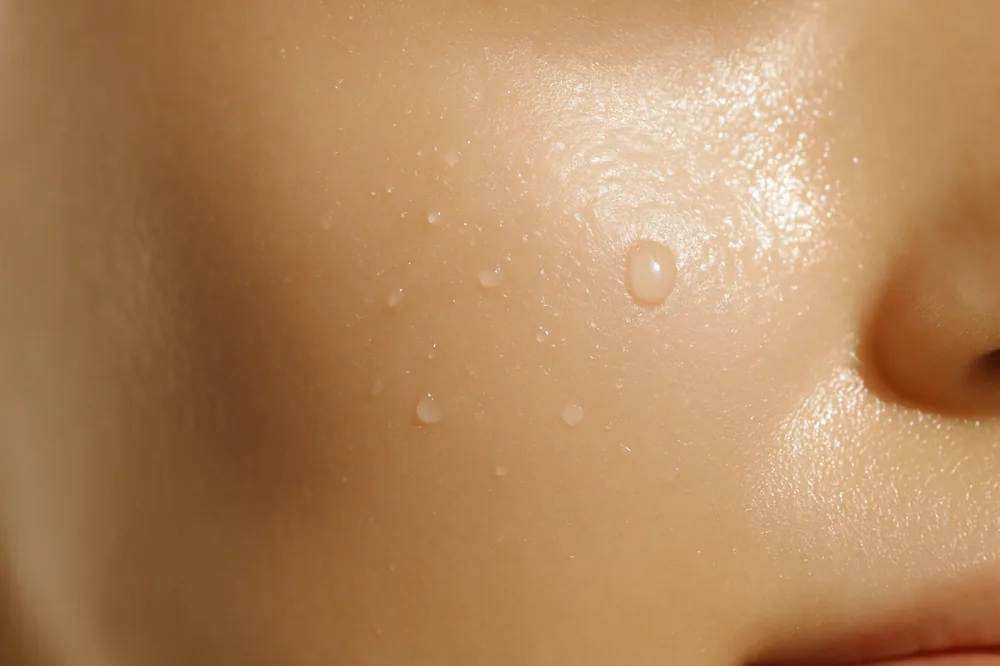
Glass Skin in Korea
Glass skin in Korea is a non-ablative glow program rather than a single device: it layers hydration skin boosters, gentle pico and laser toning, and LDM ultrasound soothing to build luminous, even, dewy skin. Entry add-ons start from about ₩50000 ($36) per session, a hydration water-glow session runs from about ₩99000 ($72), and a structured 3-session glow package ranges ₩450000 to ₩1100000 ($326 to $797). A typical course is 3 sessions with minimal downtime. Through Book Korea Medical you are matched with a KHIDI-registered clinic at a transparent rate, with no markup, after a free multilingual consultation.
Glass Skin: what to expect
Typical expectations for Glass Skin. Your clinic confirms the exact plan for your case during the free consultation.
- Downtime
- None to minimal
- Sessions
- A program of 3–5
- Results appear
- A gradual glow over weeks
- Results last
- Maintenance recommended
- Anesthesia
- Topical optional
General guidance, not per-patient medical advice — individual results and timelines vary.
What is glass skin?
Glass skin describes a smooth, luminous, even and dewy complexion that looks almost translucent. In a Korean clinic it is delivered as a combined glow program, not as one machine or one injection. The aim is skin quality — hydration, tone uniformity and surface light reflection — rather than lifting, volumising or ablative resurfacing. It is a non-ablative approach, so it does not wound or peel away the skin surface.
A glass-skin program is built from three complementary layers. Hydration skin boosters, such as water-glow micro-injections and regenerative boosters like Rejuran (polynucleotide) or Juvelook (PDLLA), improve dermal moisture and skin texture. Gentle pico and laser toning even out pigment, dullness and mild redness without removing the outer skin layer. LDM (Local Dynamic Micromassage) ultrasound soothes and calms the skin to support a clear, settled finish. A physician selects which layers to combine, and in what order, at consultation.
Glass skin suits people who want a refreshed, radiant look and more even tone with little to no downtime, including travellers fitting treatment around a short stay. Because it is non-ablative and built around hydration and toning, it is distinct from ablative resurfacing lasers and from structural treatments such as fillers or lifting devices.
How the glass-skin program works and what to expect
A single session usually takes 30 to 60 minutes depending on which layers are combined, often after a topical numbing cream for the injectable hydration step. Hydration boosters can show a visible glow within days, while regenerative boosters build skin quality gradually over weeks as the skin responds. Pico and laser toning works cumulatively across sessions to even tone, and the LDM step calms the skin immediately after.
A standard program runs around 3 sessions spaced 2 to 4 weeks apart, then periodic maintenance. Downtime is minimal because the program is non-ablative: pinpoint redness, small injection bumps or light flushing can appear and generally settle within 1 to 3 days. The treating clinic gives specific aftercare, typically gentle cleansing, sun protection, and avoiding intense heat or vigorous exercise for the first day.
Glass skin price range in Korea
Indicative standard ranges for self-pay glass-skin program components. Final pricing depends on which layers are combined, the number of sessions, and the clinic. We pass clinic rates through with no markup.
| Area / device | Price range (KRW) | Approx. (USD) |
|---|---|---|
| Water-glow hydration injection (per session) | ₩99000 – ₩250000 | approx. $72 – $181 |
| Skin-booster glass-skin program (Rejuran / Juvelook) | ₩199000 – ₩440000 | approx. $144 – $319 |
| Pico / laser toning add-on (per session) | ₩50000 – ₩150000 | approx. $36 – $109 |
| LDM ultrasound soothing (per session) | ₩80000 – ₩180000 | approx. $58 – $130 |
| Glass-skin glow package (3-session course) | ₩450000 – ₩1100000 | approx. $326 – $797 |
Transparent rate, no markup. VAT often quoted separately (+10%) where applicable.
Indicative ranges compiled from partner-clinic standard rates and Korean market data; confirm exact pricing at a free consultation.
Clinical evidence
Hydration and regeneration: polynucleotide skin boosters used in glow programs have been evaluated for facial skin quality and hydration, reported by Lee et al. (Journal of Cosmetic Dermatology, 2023; doi:10.1111/jocd.15462). The hydration step targets dermal moisture and skin texture rather than volume.
Tone and radiance: low-fluence Q-switched and picosecond toning for pigment and skin brightening has a published evidence base in laser dermatology (Wang et al., Lasers in Medical Science, 2018). Which layers are combined, and their suitability, are determined individually by a physician at consultation.
Why book through Book Korea Medical
We match you with a KHIDI-registered clinic and handle the parts that are hard to manage from abroad: a free consultation in your language, planning which glow layers fit your skin, interpretation on the day, and airport-to-clinic logistics.
There is no cost to use the platform and no markup on clinic rates. You decide after a free consultation — we make the introduction and coordinate the visit through our WhatsApp channel.
FAQ
Is glass skin a single treatment or a program?
It is a program, not one device. A glass-skin plan combines hydration skin boosters, gentle pico or laser toning, and LDM ultrasound soothing to build luminous, even skin. A physician decides which layers to combine at a free consultation arranged through our WhatsApp.
How long do glass-skin results last?
The glow from a hydration session is generally visible for several weeks, while the tone and skin-quality benefits build and hold longer over a course as the skin responds. Your physician advises a maintenance schedule at a free consultation arranged through our WhatsApp.
How many sessions do I need for glass skin?
A typical program is around 3 sessions spaced 2 to 4 weeks apart, then periodic maintenance. The exact plan is set by the treating physician based on your skin condition at consultation.
Is there any downtime with a glass-skin program?
Downtime is minimal because the program is non-ablative. Pinpoint redness, small injection bumps or light flushing may appear and generally settle within 1 to 3 days. Most people return to normal activity the same day.
Is glass skin the same as an ablative resurfacing laser?
No. A glass-skin program is non-ablative and built around hydration boosters and gentle toning, so it does not wound or peel the skin surface the way an ablative resurfacing laser does. The focus is skin quality and radiance, not resurfacing.
Who performs the glass-skin treatment?
A licensed physician (Aesthetic Medicine Specialist) at a KHIDI-registered clinic performs the assessment and the injectable and laser steps. Book Korea Medical only matches and coordinates — we never render clinic contact details directly.
How much does a glass-skin program cost in Korea?
Indicative ranges run from about ₩50000 ($36) for a toning add-on and ₩99000 ($72) for a hydration session, up to ₩450000 to ₩1100000 ($326 to $797) for a 3-session glow package, depending on the layers combined. We pass clinic rates through with no markup.
How do I book a glass-skin program through Book Korea Medical?
Send a free consultation request via our WhatsApp and our multilingual team replies within 24 hours, matches you with a KHIDI-registered clinic, and coordinates the visit.
Ask about Glass Skin in Korea
Free multilingual consultation and a transparent quote — matched with a KHIDI-registered clinic within 24 hours.
Get a free quote →Where to get Glass Skin in Korea
5 partner clinics under contract with Book Korea Medical list Glass Skin on their menu.
See all Glass Skin clinics →